
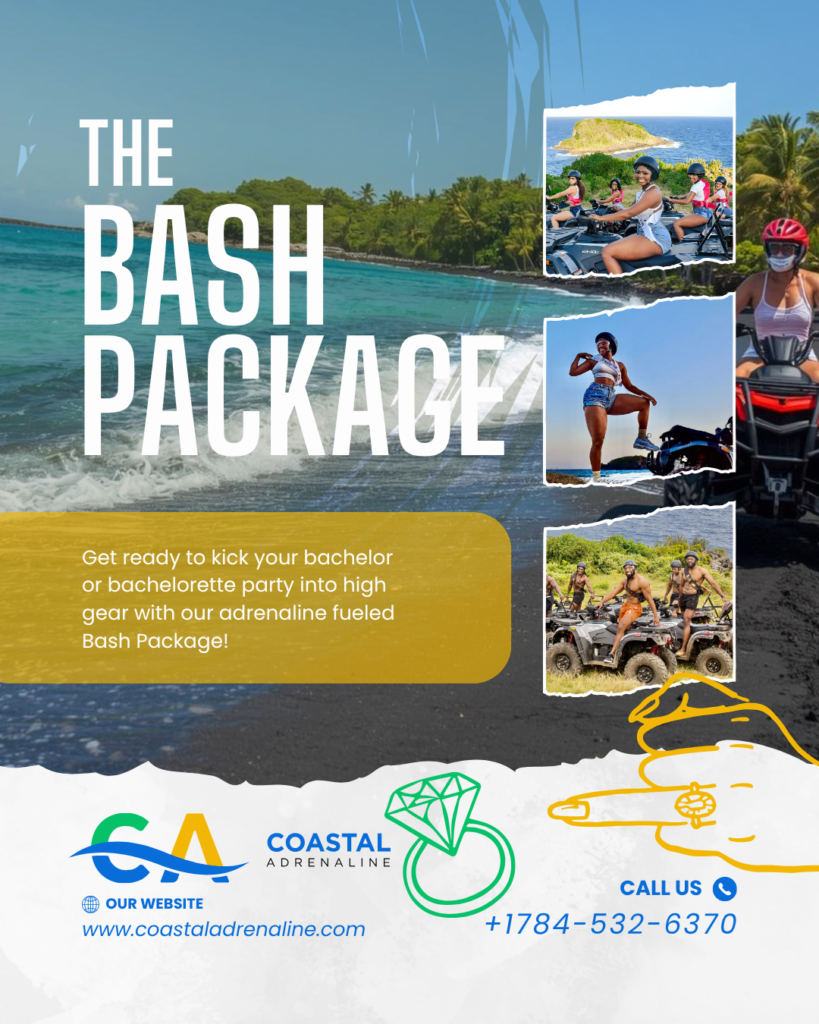

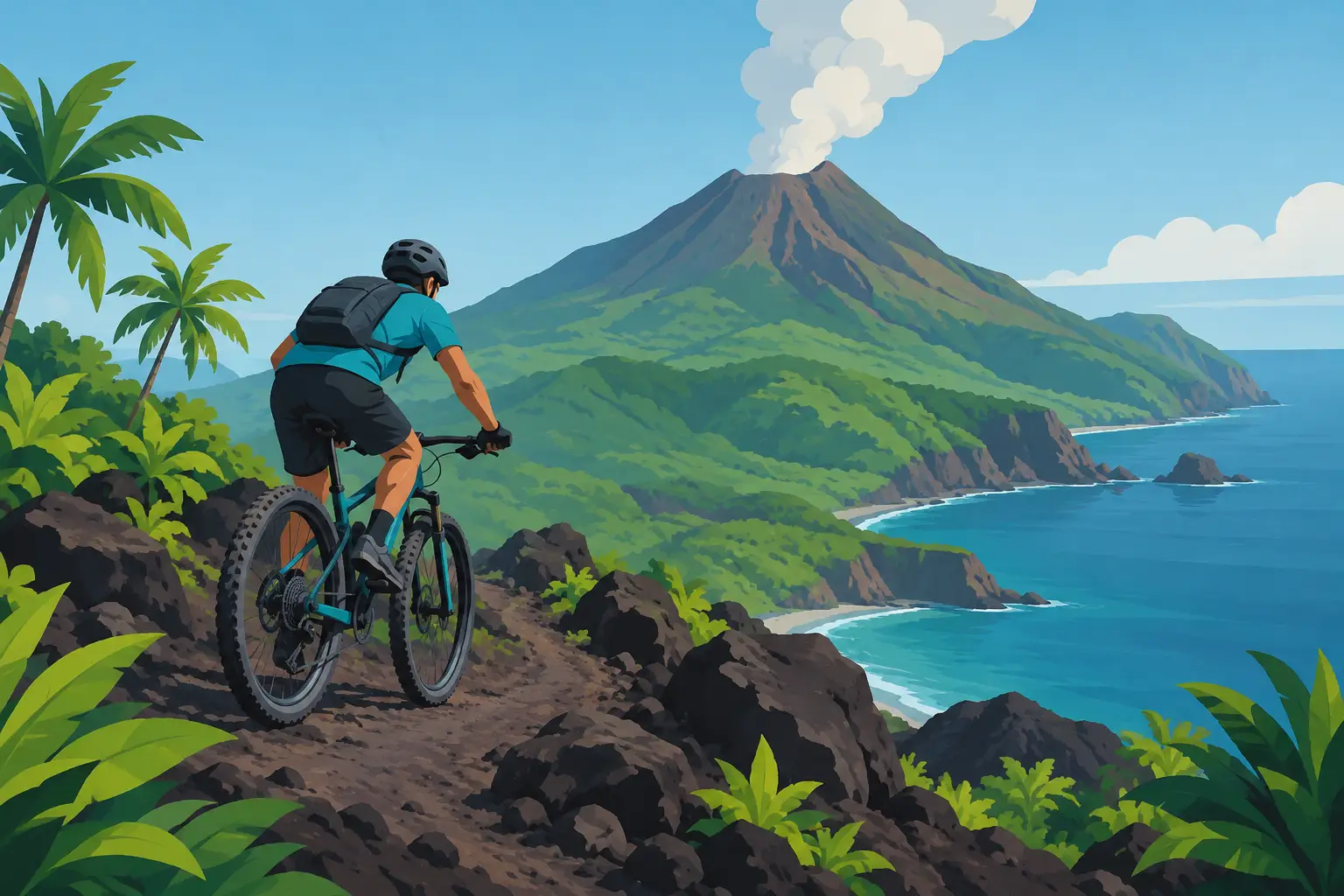
The first thing you notice is the color. St. Vincent’s volcanic earth is deep charcoal under your tires, framed by bright green hills and the blue Caribbean beyond. To ride volcanic terrain here is not simply to take an ATV off-road. It is to feel the island’s raw energy beneath you, then follow it toward black-sand shores, village roads, riverside paths, and viewpoints that feel far beyond the usual sightseeing stop.
Volcanic terrain rewards riders who bring curiosity and respect. Its surfaces can change quickly from firm packed ground to loose gravel, damp earth, shallow water crossings, or uneven rock. That variety is exactly what makes a guided ATV ride in St. Vincent so memorable. With a capable vehicle, clear safety instruction, and a local guide leading the way, first-time riders can feel confident while experienced riders can enjoy a route with real character.
What Makes Volcanic Terrain Different?
Volcanic landscapes are shaped by heat, rain, elevation, and time. On St. Vincent, that means you may travel across dark mineral-rich soil, black sand, steep coastal stretches, and lush areas where tropical growth presses close to the trail. The island can look calm from the water, but its interior and coastline tell a more powerful story.
The ride is rarely one-note. A route may begin on a smoother road where you can settle into the ATV, then turn onto a rougher section that asks you to stay alert and let the vehicle do its work. Near the coast, black sand can feel softer and more forgiving than hard-packed dirt, but it may also shift under the tires. After rain, sections of trail can become slick or rutted, adding a fresh layer of adventure.
That is why volcanic riding is best approached as an experience, not a race. The goal is not to charge through every obstacle. It is to read the ground, enjoy the changing scenery, and arrive at each stop ready to take in the view.
How to Ride Volcanic Terrain With Confidence
A great ride starts before the engine turns over. Listen closely during the guide’s safety briefing, especially if this is your first time on an ATV. Learn where the brakes, throttle, and controls are, how much space to keep between riders, and which hand signals or instructions your guide will use on the route.
Keep your body relaxed but active. On uneven ground, gripping the handlebars too tightly can make the ride feel harsher than it is. Keep both hands steady, look ahead rather than directly at the front tires, and allow your arms and knees to absorb movement. Your ATV is built to handle changing surfaces, but your posture helps it stay balanced and predictable.
Speed is not the measure of confidence. On loose black sand, wet earth, or rocky stretches, smooth throttle control matters more than sudden acceleration. Enter turns at a controlled pace, avoid sharp braking where the surface is unstable, and give yourself room to follow the guide’s line. If you are unsure about a hill, rut, or puddle, say so. A good guided ride gives you the support to learn as you go.
Let the Terrain Set the Pace
On a dry, open section, the trail may invite a little more momentum. In a narrow, shaded, or wet area, ease off and focus on control. St. Vincent’s tropical conditions can change the character of a route quickly, particularly after rainfall. What was firm ground in the morning may be softer by afternoon.
This is not a drawback. It is part of the island’s personality. The same rain that creates a slick patch also feeds the dense green scenery, rushing rivers, and bird habitats that make the ride feel alive. A skilled guide will adjust the pace and route conditions so the adventure stays exciting and responsible.
Wear Gear That Works for the Island
Choose clothes you do not mind getting dusty or lightly muddy. Closed-toe shoes are the smart choice for foot protection and grip, while sunglasses can help with glare on bright coastal sections. Bring sunscreen, even when the day starts cloudy, and secure your phone or camera before the ride begins.
Helmets and safety equipment are not an interruption to the fun. They are what let you focus on the trail, the sea air, and the next incredible stop without unnecessary worry. For visitors who are new to ATVs, that reassurance can make the difference between feeling hesitant and fully enjoying the moment.
Black Sand, Coastal Views, and the Island Beyond the Trail
The best reason to ride volcanic terrain in St. Vincent is where it can take you. A guided route can connect the island’s dramatic natural features with the stories and communities that give them meaning. You are not looking at the landscape through a bus window. You are moving through it, feeling the transition from paved village roads to open coastal ground and tropical trails.
Black-sand beaches are a signature part of that experience. Their dark shoreline creates a striking contrast with white surf and turquoise water, especially when the sun is low. Stop for a photo, breathe in the misty sea air, and notice how different the beach feels from the postcard-perfect pale sands many travelers expect from the Caribbean. This is St. Vincent on its own terms – bold, volcanic, and unforgettable.
The landscape also holds cultural depth. Plantation areas, villages, and landmark stops can reveal how people have lived with this terrain for generations. A local guide adds the details that a map cannot: which hillside opens to a favorite viewpoint, what a place once produced, why a road matters to the community, or where to look for the island’s birdlife.
For travelers who want more than a photo stop, those stories are the real value. The thrill gets your attention. The local connection stays with you.
Choose the Right Ride for Your Energy
Your ideal volcanic ATV experience depends on what you want the day to feel like. Early risers may love the cooler air and quiet roads of a sunrise ride, when the island is only beginning to wake. A black-sand or coastal-focused ride puts the visual drama front and center, with rugged shorelines and sea views built into the journey.
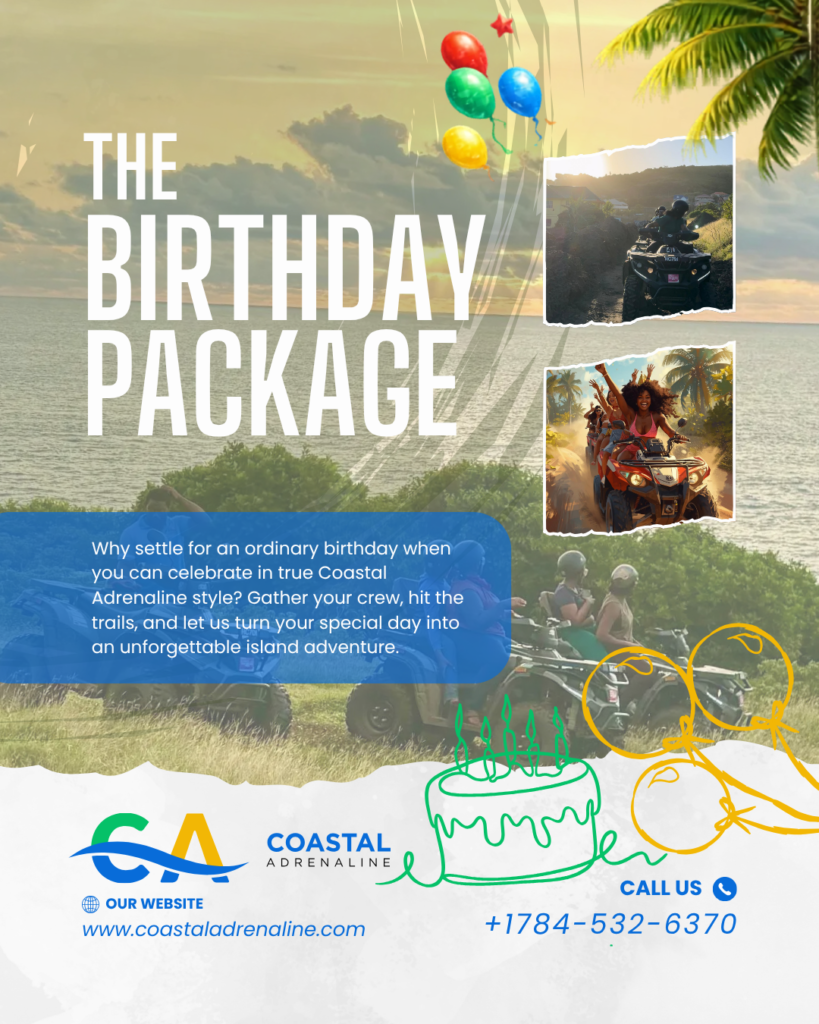
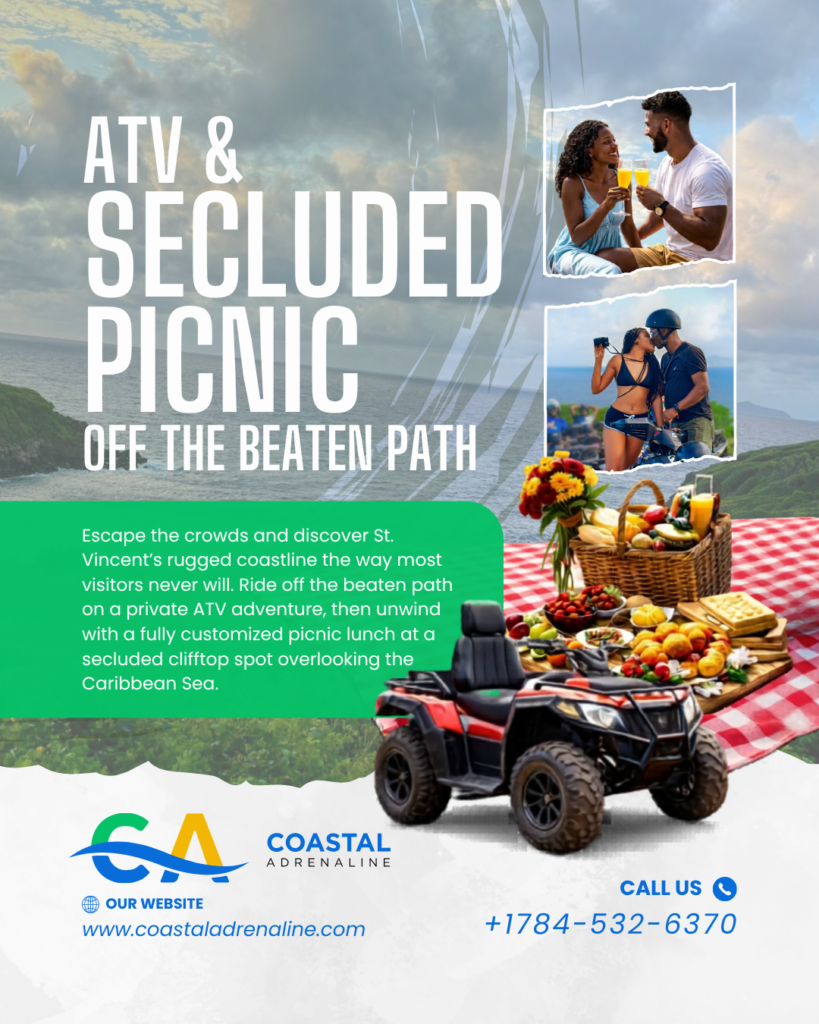
If your group wants a more social occasion, a private outing can give the day its own rhythm. Birthday crews, bachelor and bachelorette groups, couples, and friends traveling together can enjoy the shared rush of the trail while making time for photos and celebration. An ATV ride paired with a Creole breakfast brings an extra taste of Vincentian hospitality to the adventure.
Sunset rides offer a different kind of payoff. As the light softens over the coast, the volcanic ground takes on warmer tones and the island’s contours stand out against the sky. It is ideal for travelers who want high-energy exploration without giving up a beautiful end-of-day moment.
Coastal Adrenaline builds its guided rides around that mix of capable ATVs, local knowledge, and memorable island stops. The right tour is not necessarily the roughest or fastest one. It is the one that matches your comfort level, your group, and the version of St. Vincent you came to find.
Respect the Ground You Came to Experience
Volcanic terrain can look tough, but it is still a living environment. Stay on designated routes, follow your guide’s instructions, and avoid treating beaches, waterways, and village areas like an open track. Controlled riding protects the landscape, respects local communities, and keeps the experience enjoyable for everyone on the trail.
It also makes for better memories. When you pause at a viewpoint instead of racing past it, you notice the layers of the island: forested ridges, dark earth, bright homes, fishing boats offshore, and clouds gathering over the mountains. Those are the moments that turn an ATV outing into a real St. Vincent adventure.
Bring your sense of adventure, trust the guide, and let the ground beneath your wheels show you a side of the island that ordinary sightseeing never reaches.