


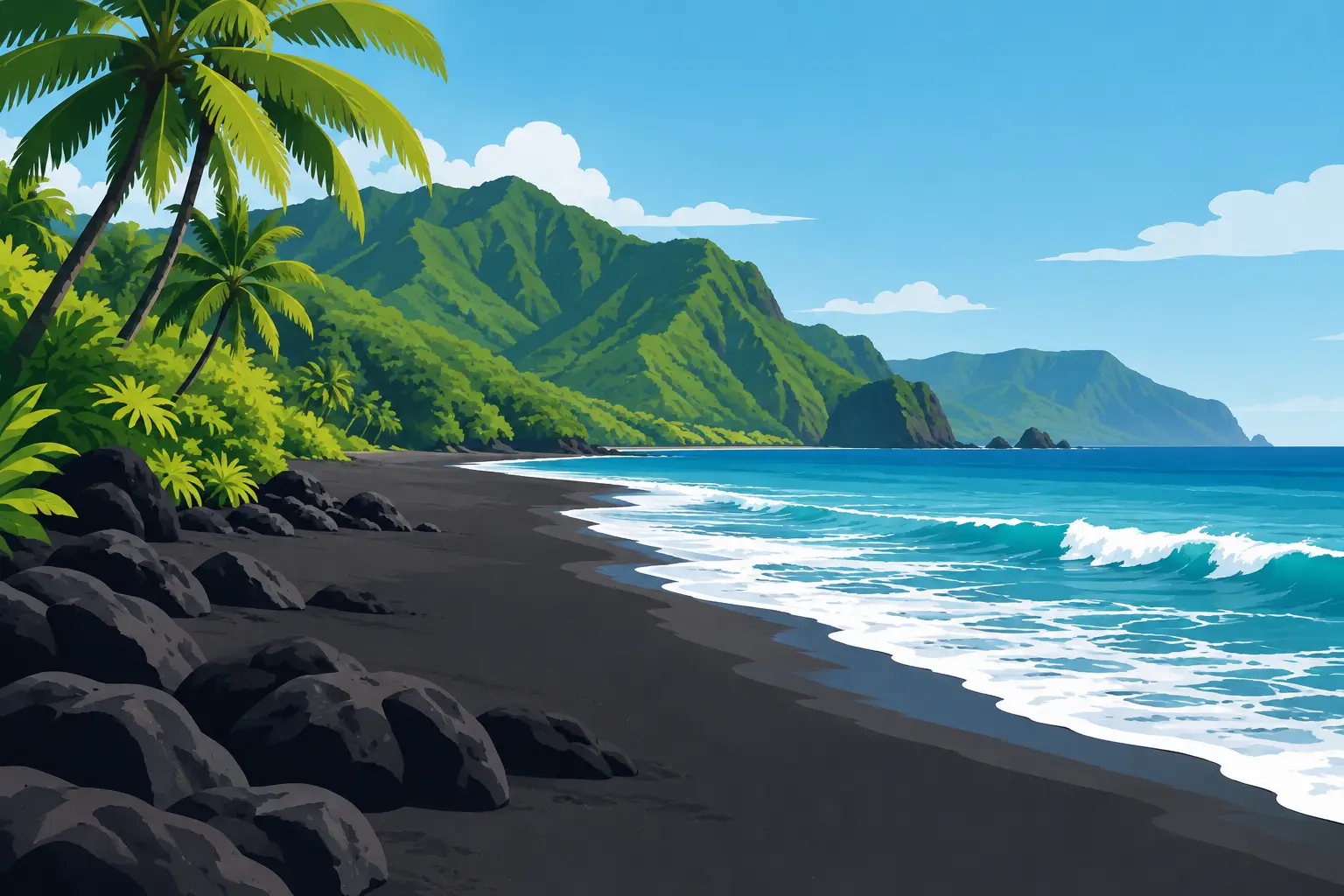
The first thing you notice is the color. Not tan, not white, but a deep volcanic black that makes the turquoise Caribbean look even brighter. St. Vincent’s black sand beaches are not a novelty tucked away for a quick photo. They are part of the island’s living landscape – shaped by volcanoes, surf, rivers, and generations of Vincentian life along the coast.
For travelers who want more than a lounge chair and a hotel view, these shores offer a different kind of island day. You can feel the warm dark grains under your feet, hear the waves break against a dramatic coastline, and follow the road beyond the usual stops to places where St. Vincent feels open, powerful, and wonderfully real.
Why black sand beaches look so different
Black sand begins high above the shoreline. St. Vincent is volcanic, and its rugged terrain includes La Soufrière volcano at the island’s northern end. Over time, volcanic rock breaks down through weather, rivers, and wave action. Minerals such as basalt and iron-rich material become fine grains that travel toward the sea, creating the striking dark beaches found along parts of the island.
That process gives each beach its own character. Some stretches are wide and smooth, while others are edged by boulders, river mouths, or thick green hillsides. The color can shift through the day too. Under a strong Caribbean sun, the sand may look charcoal gray with a silver sheen. Near sunset, it can turn almost jet black against the glowing water.
This is one reason a black-sand coastline feels more dramatic than a classic postcard beach. The contrast is built in: dark shore, bright surf, lush mountains, and blue horizon. Bring your camera, but do not spend the entire stop looking through it. A few minutes with your shoes off tells the story better.
St. Vincent’s black sand beaches are an adventure, not a backdrop
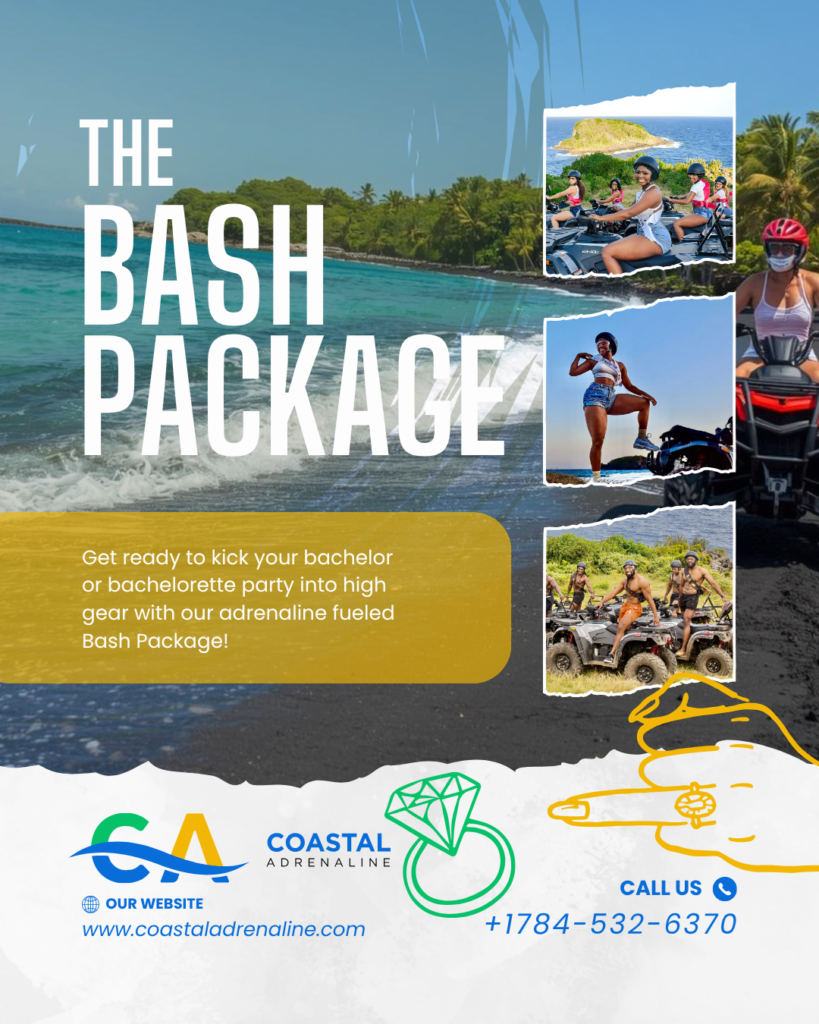
On St. Vincent, the journey is part of the beach experience. The island’s best coastal moments often sit beyond the most familiar sightseeing routes, reached by roads that curve through villages, past old estate lands, alongside rivers, and toward sweeping sea views. That is exactly why an ATV ride belongs here.
A guided route lets you trade a standard drive for an active island experience. Instead of rushing from one attraction to another, you can take in the changing terrain: the scent of rainforest after a light shower, misty sea air on a hillside, the rumble of the trail beneath your tires, and the first glimpse of dark sand meeting the water below.
Coastal Adrenaline brings that sense of movement and place together on guided rides designed for both first-time and experienced ATV riders. The goal is not simply to arrive at a beach. It is to understand why the coastline looks the way it does, see how nearby communities connect to it, and enjoy the thrill of getting there with expert guidance and capable equipment.
What to expect when you visit
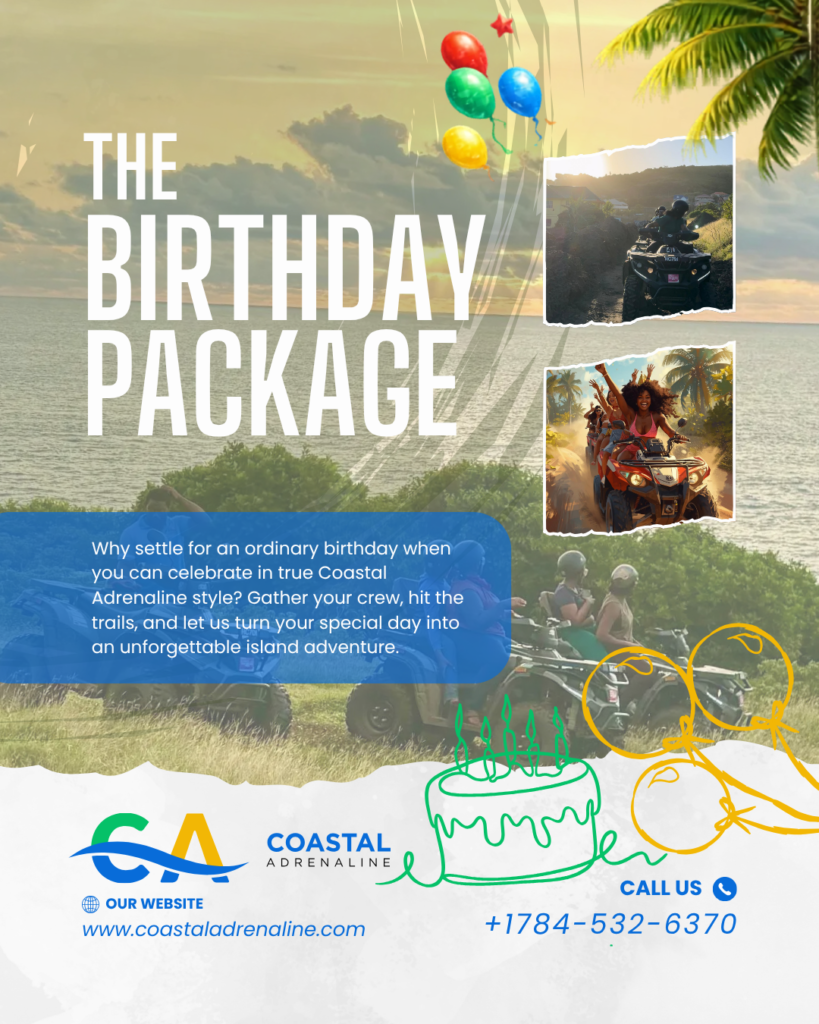
A black-sand beach day can be as relaxed or as high-energy as you want it to be. Couples may want a scenic stop with time for photos and a quiet walk near the water. Friend groups often prefer the energy of an ATV route before the beach break. Celebrating a birthday, bachelor party, or family getaway? A private experience can give your group more flexibility to enjoy the views together.
The sand itself is often warmer than pale sand, especially around midday. Flip-flops or water shoes are useful when walking longer distances, and they are a smart choice on shorelines with pebbles or uneven patches. If you plan to sit for a while, bring a towel or light cover-up rather than assuming every beach will have rental chairs or full facilities.
Swimming conditions depend on the specific beach, the season, and the day’s sea state. Some areas are calm and inviting, while others have stronger surf, changing currents, or a rocky entry. A beautiful shoreline is not automatically a safe swimming spot. Listen to your guide, watch the water before going in, and keep children or less confident swimmers close in unfamiliar conditions.
The best time of day depends on your ride
Morning is ideal if you love cooler air, softer light, and a quieter feel along the coast. A sunrise ATV outing gives the landscape time to wake up around you, with fewer crowds and the kind of ocean views that make an early start worthwhile.
Midday brings bold color. This is when the blue water, green hills, and dark sand create their strongest contrast for photos. It can also be hot, so sunscreen, water, and breathable clothing matter. The beach may look inviting, but St. Vincent’s sun has real strength.
Late afternoon carries a different energy. A sunset ride can turn a coastal stop into a celebration, with golden light rolling across the hills and the sea settling into deeper shades of blue. For couples and groups who want the island at its most cinematic, this is hard to beat.
How to enjoy the coast with respect
St. Vincent’s beaches are beautiful because they are part of a larger natural system, not because they have been polished into theme-park perfection. Rivers may carry fresh sand and stones down from the hills. Fishermen, residents, and families may use the same coastal spaces visitors come to admire. Respecting that shared setting keeps the experience better for everyone.
Take your belongings and trash with you, avoid disturbing wildlife, and do not remove sand, stones, or shells as souvenirs. Stay on designated routes when riding, especially where trails pass through village areas, riverbanks, or sensitive vegetation. A responsible adventure should leave you with great memories, not leave a mark on the landscape.
It also pays to dress for the route, not just the photo. Closed-toe shoes are best for ATV riding. Sunglasses, sunscreen, and a secure hat or bandana can make a big difference, while a small waterproof pouch keeps your phone and essentials protected from dust or an unexpected splash. Your guide will cover ride safety, but arriving prepared lets you focus on the fun.
Make the beach stop part of a bigger St. Vincent story
The real magic of St. Vincent is how quickly one landscape gives way to another. A coastal route can begin with city energy, move through lively villages and historic plantation areas, climb toward mountain viewpoints, and finish where black sand meets the Caribbean Sea. Few destinations pack that much variety into one island day.
That is also why the best beach experience is rarely about checking off a location and moving on. Pause long enough to notice the details: the texture of the sand, the color of the shallows, the green ridges behind the coast, and the local stories that give the scenery meaning. Ask questions. Take the photo, then put the phone down.
If you are building your St. Vincent itinerary, leave room for an experience that gets you off the main road and into the island’s natural rhythm. Choose a guided ride that matches your pace, bring your sense of adventure, and let the dark shoreline remind you that the Caribbean has far more than one shade of beautiful.