
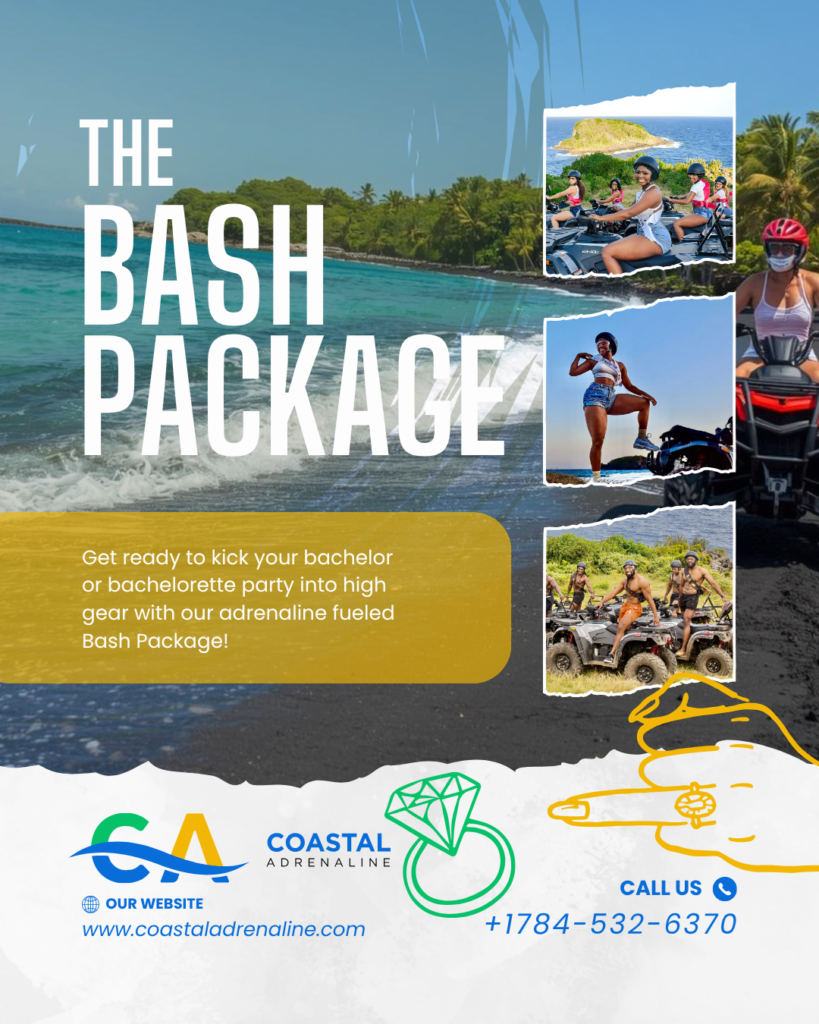
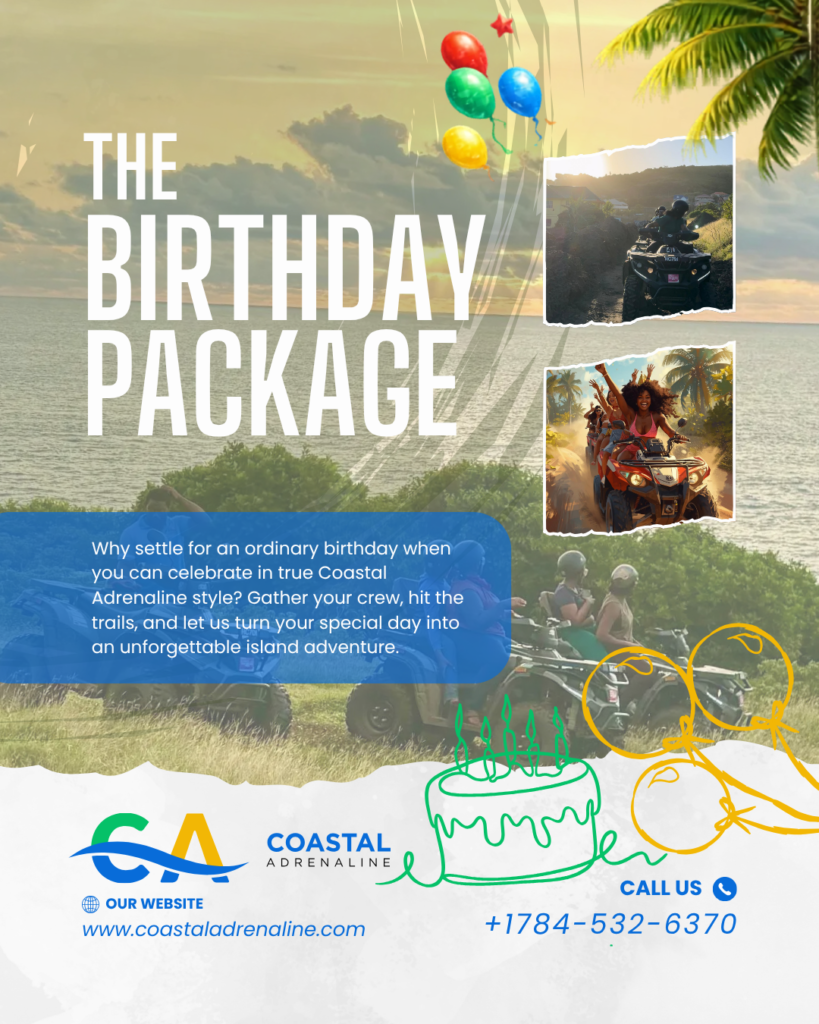

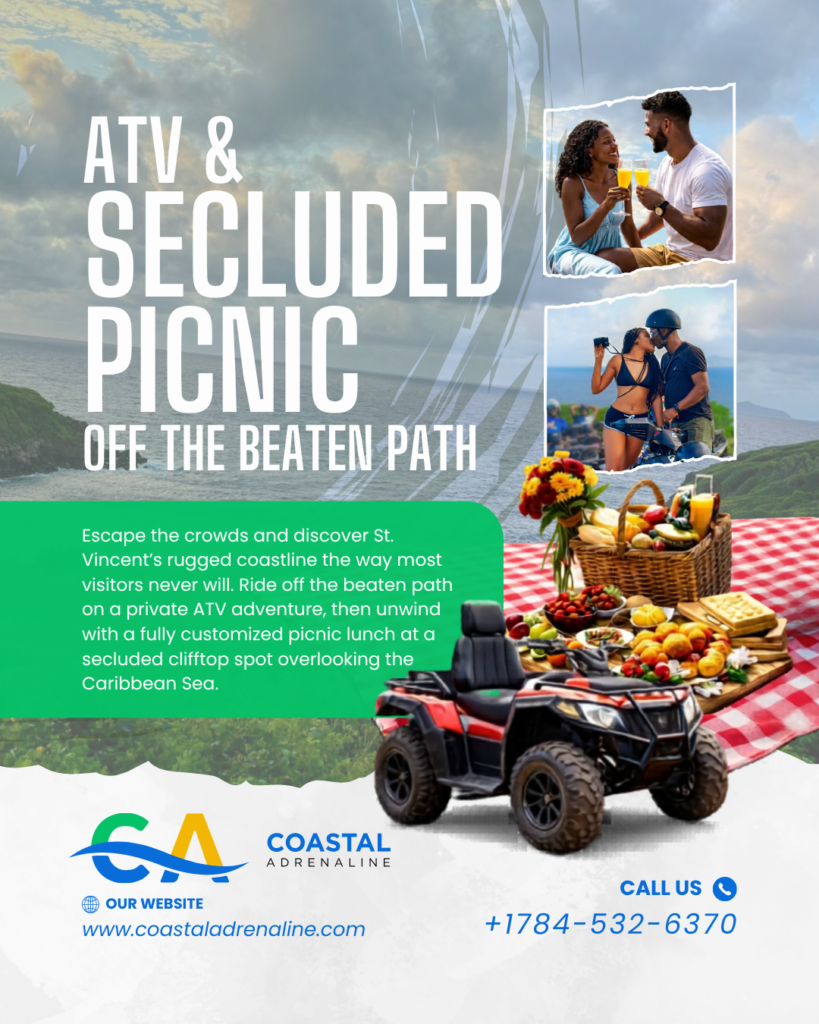
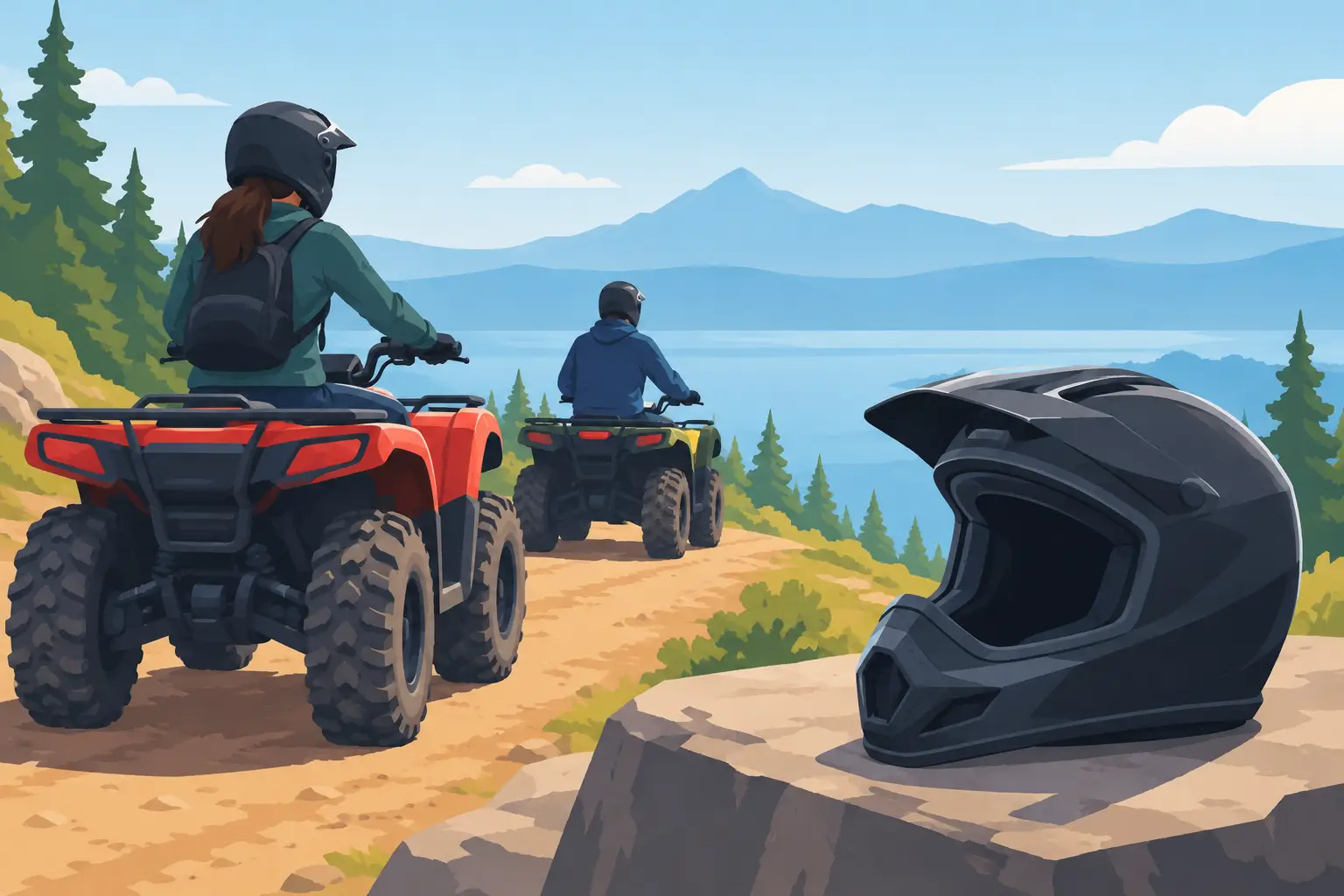
The first splash of mud, the rush of a coastal climb, the warm wind coming off the Caribbean – an ATV ride in St. Vincent is made for big views and bigger memories. But before you take the handlebars, you may be asking: do ATV tours include helmets? On a professionally guided ride, they should. A helmet is not an optional extra or a fashion choice. It is a core part of a responsible ATV experience.
At Coastal Adrenaline, helmets are part of the guided safety setup, so guests can focus on the trail ahead, the volcanic landscape around them, and the fun of discovering the island from a different angle. Still, helmet policies can vary between operators and destinations. Knowing what to expect before your ride helps you arrive prepared and choose an adventure provider that takes your safety seriously.
Do ATV Tours Include Helmets as Standard?
Reputable ATV tour operators generally provide a helmet for every rider. The helmet should be properly fitted before departure, and guides should explain how to fasten and adjust the chin strap. For a guided tour, this is the baseline – especially when routes include uneven ground, hillside turns, loose gravel, river crossings, or changing weather conditions.
A quality operator also keeps helmets clean, maintained, and ready for regular use. If a helmet has visible cracks, a damaged strap, or a loose interior lining, ask for another one. You should never feel awkward about checking your equipment. Adventure is more enjoyable when you know the basics have been handled with care.
There can be exceptions. Some self-drive rentals may list helmets separately, offer upgraded gear, or have different rules for passengers. That is why it is smart to review the booking details or ask directly before you arrive. For a guided island experience, though, helmet use should be clear, expected, and included in the safety briefing.
Why a Helmet Matters on an Island ATV Ride
ATVs are exciting because they take you beyond the usual sightseeing route. One minute you may be rolling through a village with your guide leading the way; the next, you may be moving along a trail where the forest feels close enough to touch. That variety is exactly why a helmet matters.
Even experienced riders can encounter unexpected conditions. Rain can make a trail slick. A shaded section of road may hold loose stones. Another rider may stop ahead for a photo of the sea, a black-sand beach, or a sweeping valley view. A helmet adds essential protection in the event of a fall or impact, while helping every guest approach the ride with the right mindset: confident, alert, and ready to follow the guide.
It also sets the tone for the whole group. When everyone wears the required gear and respects the route, the tour moves smoothly. There is more time for scenic stops, local stories, laughter with your crew, and that unbeatable feeling of arriving at a viewpoint you would never have found from the main road.
What Kind of Helmet Will You Receive?
Most guided ATV tours use either open-face or full-face helmets. An open-face helmet leaves more of your face visible and can feel breezier in tropical weather. A full-face helmet provides added coverage around the chin and jaw, which some riders prefer on dustier or more technical routes.
The best choice depends on the operator’s safety standards, route conditions, and available equipment. Neither style changes the main rule: the helmet must fit correctly and remain securely fastened for the entire ride.
A proper fit should feel snug but not painful. The helmet should sit level on your head, not tipped back or resting high on your forehead. Once the chin strap is fastened, you should be able to open your mouth comfortably, but the helmet should not shift easily from side to side. If it feels too loose, too tight, or unstable, tell your guide before the group sets off.
Can You Bring Your Own Helmet?
Usually, yes, provided it is a recognized ATV or motorcycle helmet in good condition and meets the operator’s requirements. Some riders like using their own helmet because they know the fit, while others prefer the convenience of using the provided gear.
If you plan to bring one, check with the tour company in advance. A bicycle helmet, hard hat, or novelty helmet is not a substitute for protective ATV headgear. Your operator may also require its own helmet for insurance, hygiene, or consistency across the group, so it is best not to assume.
Helmets Are Only Part of the Safety Plan
A helmet is essential, but it works best alongside good instruction and sensible riding. Before the engines start, expect a clear briefing covering throttle control, braking, turning, spacing, hand signals, trail rules, and what to do if you need help. First-time riders should feel comfortable asking questions and taking a moment to practice controls before heading out.
The guide is there to lead more than the route. They read the pace of the group, point out changing terrain, help riders build confidence, and make sure the adventure stays enjoyable for everyone. Follow their instructions, keep both hands on the handlebars, and resist the temptation to treat the trail like a racecourse. The most memorable ride is not necessarily the fastest one. It is the one where you get to absorb the sea air, see the island’s hidden corners, and return with stories worth sharing.
Passengers should receive the same safety attention as drivers. If your tour permits passengers, they should have a properly fitted helmet, understand where to place their hands and feet, and know to lean gently with the driver through turns. Age, size, and tour-specific rules may apply, so confirm passenger eligibility before booking.
What to Wear Beyond Your Helmet
Tropical adventure calls for practical clothing, not complicated packing. Closed-toe shoes are a must. Sneakers or lightweight trail shoes offer better protection and grip than sandals, slides, or flip-flops. Choose clothes that let you move comfortably and that you do not mind getting dusty, splashed, or lightly muddy.
Sunglasses can be useful in bright conditions, although they should fit securely beneath your helmet. Sunscreen is a smart choice for exposed coastal sections, and insect repellent may be helpful on routes near forest or riverside areas. Bring water if your operator advises it, and keep your phone or camera protected in a secure pocket or small bag. The island can deliver bright sun, passing showers, and misty sea air in the same day.
Avoid loose scarves, dangling accessories, or anything that could catch on equipment. If you have long hair, tie it back so it stays comfortable under the helmet. Small details like these make a big difference once the ride begins.
Questions Worth Asking Before You Book
A trustworthy operator will answer safety questions clearly, without making you feel like you are slowing things down. Ask whether helmets are included, whether there are different helmet sizes, and whether every rider receives a safety orientation. You can also ask about the route’s difficulty, driving requirements, passenger rules, weather procedures, and whether the tour is suitable for complete beginners.
The answers should be specific. “Safety is our priority” sounds good, but it means more when paired with a real briefing, maintained equipment, experienced guides, and routes matched to the group. A provider should never pressure you to ride beyond your comfort level.
For visitors, this preparation is especially valuable. You may be used to driving on a different side of the road, riding in a different climate, or navigating very different terrain back home. A guided tour gives you the freedom to enjoy the destination while local experts handle the route and help you ride responsibly.
Ride Ready, Then Let the Island Surprise You
Helmet included or not, never begin an ATV tour without appropriate head protection. Confirm the policy when booking, make sure the fit is right at check-in, and listen closely to the safety briefing. Those few minutes of preparation create the confidence to enjoy every climb, curve, beach stop, and breathtaking island view.
Then let the adventure take over. With your helmet secured and your guide leading the way, you are free to experience St. Vincent with the energy it deserves – one trail, one laugh, and one unforgettable view at a time.