
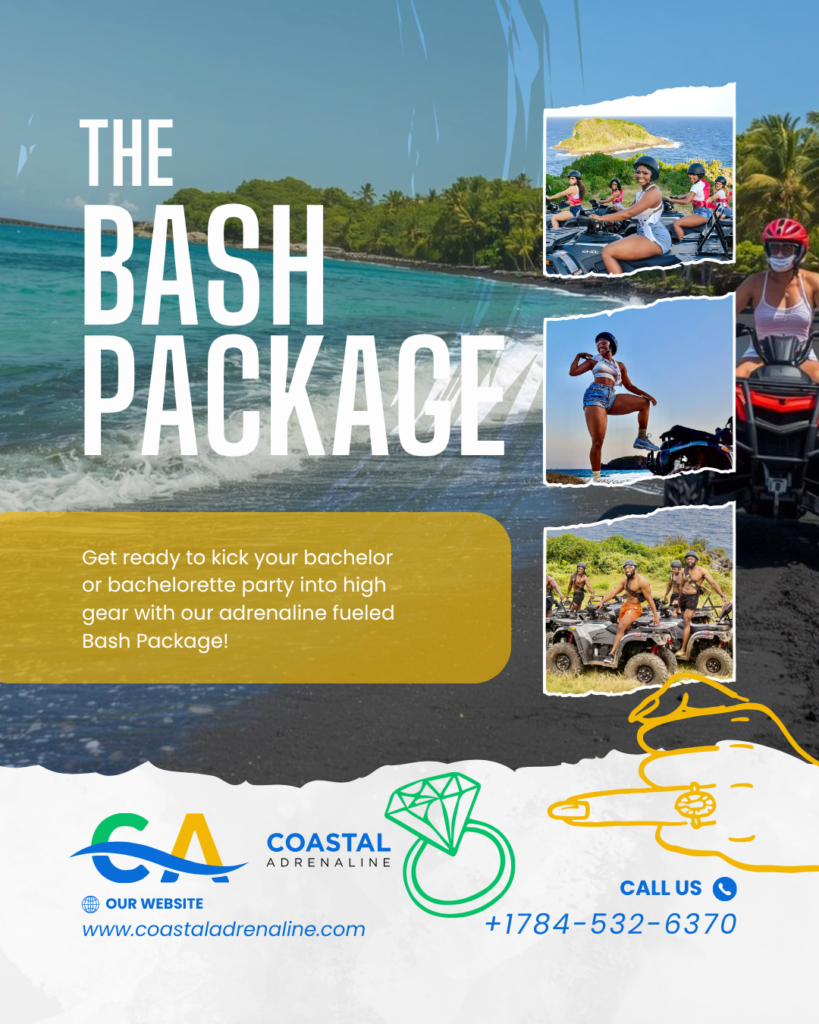
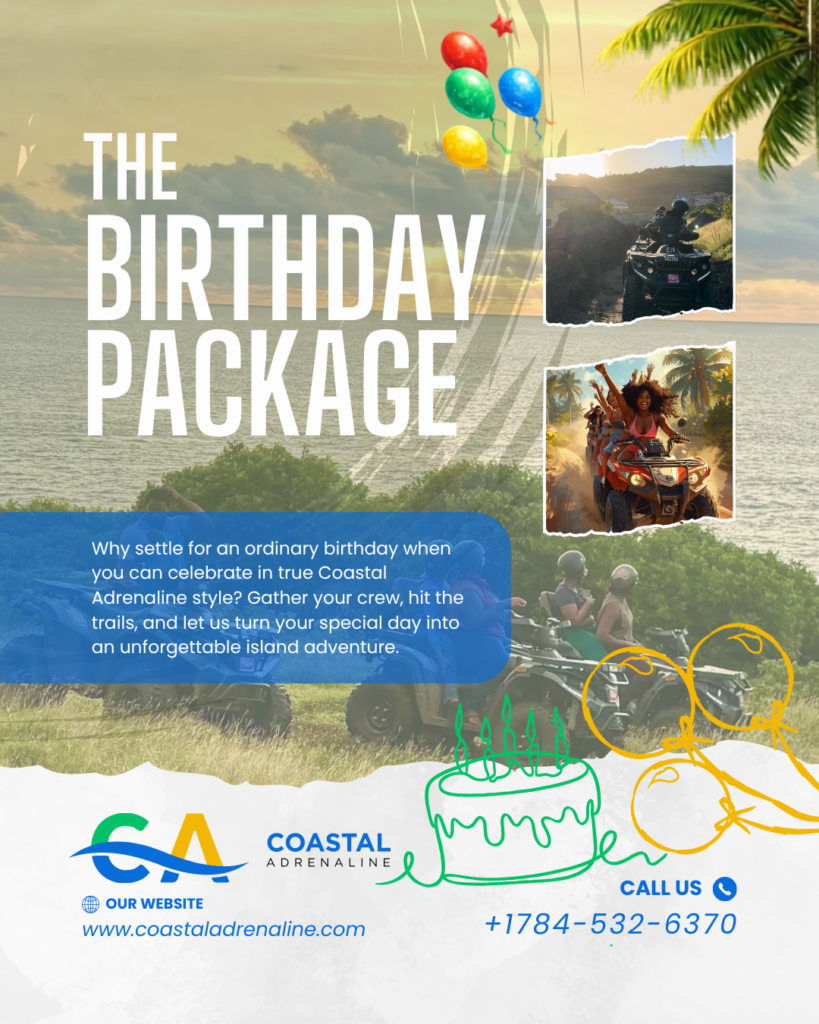

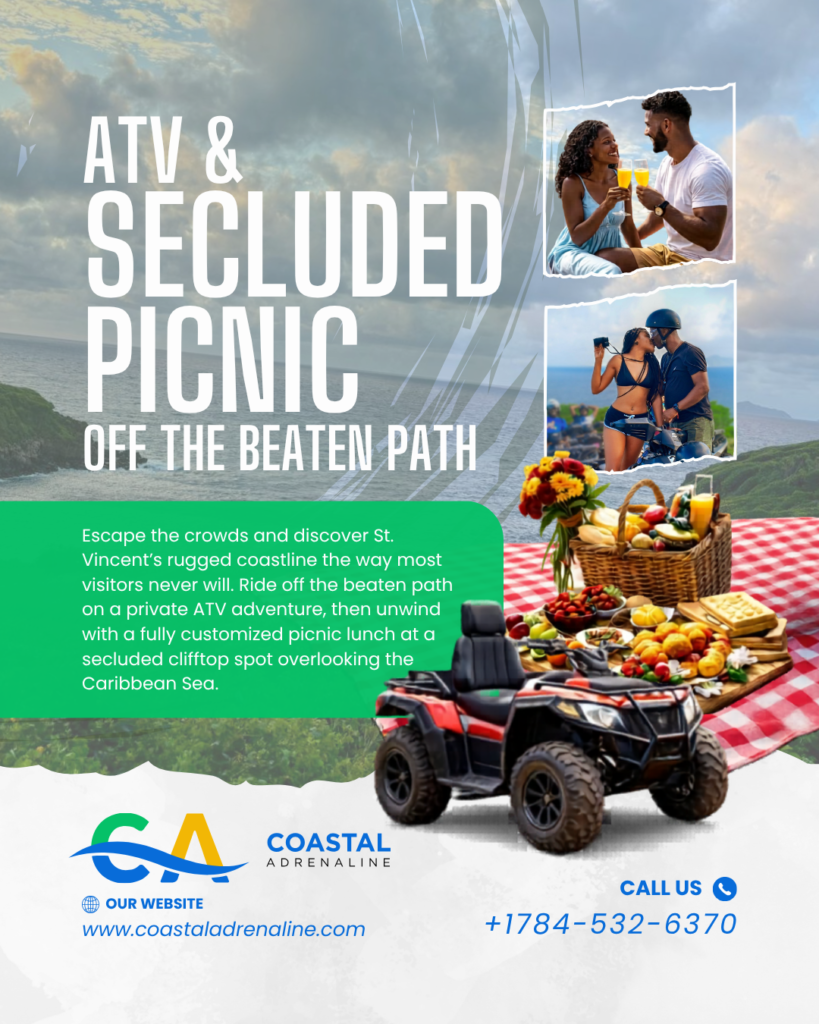
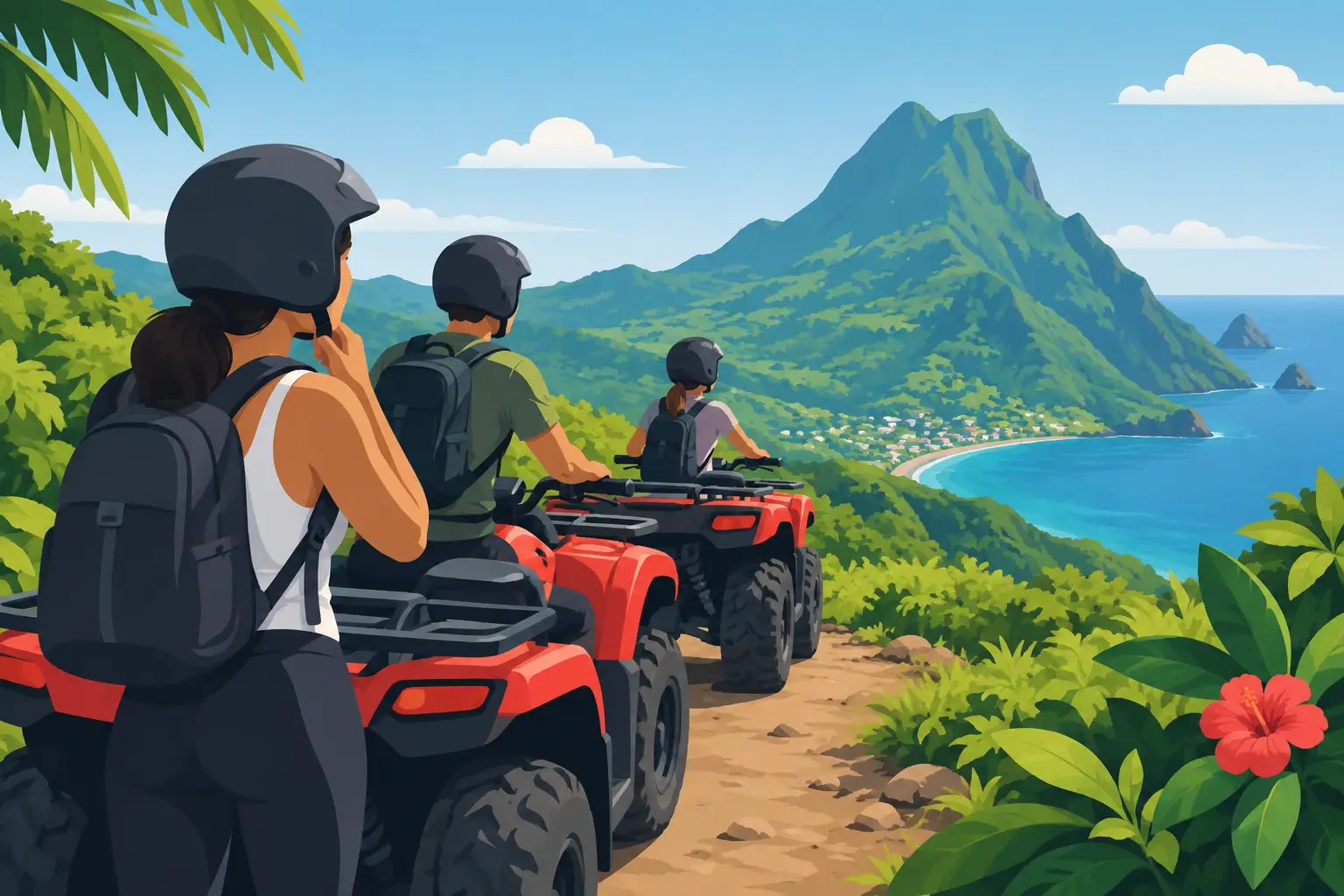
The first splash through a riverside trail or the first view of volcanic black sand should feel like pure freedom, not a moment spent wishing you had worn different shoes. Knowing how to prepare for a guided ATV ride lets you arrive ready for the island’s energy: misty sea air, changing terrain, village roads, forest paths, and photo stops that deserve your full attention.
A guided ride in St. Vincent is not about showing up as an off-road expert. It is about bringing the right attitude, wearing practical gear, listening closely, and letting an experienced local guide lead you beyond the usual sightseeing route. Whether you are joining friends for a birthday, planning a couple’s adventure, or trying an ATV for the first time, a little preparation makes the experience more comfortable, confident, and memorable.
Prepare for a Guided ATV Ride With the Right Mindset
ATVs are powerful machines, and that is part of the excitement. On a guided excursion, you do not need to prove anything by riding too fast, taking risks, or trying to match the most experienced person in the group. Your guide sets the pace for the route, the conditions, and the riders in front of them.
Arrive ready to follow instructions, ask questions, and ride within your comfort level. A good safety briefing is where your adventure starts. Pay attention when your guide explains throttle control, braking, turning, spacing, hand signals, and what to do when the terrain changes. Those few minutes of focus help you enjoy every climb, curve, and coastline view with far more confidence.
If you have never ridden before, say so. There is no prize for pretending you know the controls. First-time riders often do very well because they listen carefully and take the first section slowly. Experienced riders should also stay open to guidance. Island routes can shift with rain, loose gravel, puddles, road traffic, and changing ground conditions.
Dress for Dirt, Sun, and Island Weather
St. Vincent is warm, bright, and beautifully unpredictable. You may start beneath clear morning light, pass through shade near a forest reserve, and finish with a little dust or mud on your clothes. Dress for the ride you are taking, not just the pictures you plan to post afterward.
Choose lightweight clothing that you can move in easily. A breathable T-shirt or athletic top with shorts, leggings, or durable lightweight pants works well. Long pants offer more coverage from brush, dust, and the occasional mud splash, while shorts can feel cooler on a hot coastal ride. It depends on your comfort level and the day’s route.
Closed-toe shoes are the smart choice. Sneakers or trail shoes with a secure fit protect your feet and give you better control than sandals or slides. Leave loose clothing, flowing cover-ups, and anything that can snag behind. If you have long hair, tie it back before putting on your helmet.
Your operator will provide required safety equipment and explain how it should fit. Make sure your helmet feels secure, not loose or tilted back. If goggles are available or recommended for dusty conditions, use them. A little extra protection is worth it when the trail opens up and the island breeze starts carrying dust.
What to Bring on the Day
Pack light. You want to be present for the ride, not managing a heavy bag every time you stop for a lookout or a black-sand beach photo. Bring the essentials that handle sun, hydration, and island conditions without getting in your way.
- Sunscreen that can hold up to heat and activity
- Sunglasses for before and after the ride
- A refillable water bottle, if permitted for your tour
- A small towel or bandana for sweat, dust, or sea spray
- Your phone or camera in a secure case or zip pouch
- A valid form of identification and any reservation details requested by your operator
Keep valuables to a minimum. Jewelry, loose hats, large handbags, and items that cannot handle dust or moisture are better left at your accommodation. If you bring a phone for photos, make sure it has a secure pocket, strap, or protective case. One sharp turn can turn an unprotected phone into a trail-side recovery mission.
Eat, Hydrate, and Arrive With Time to Spare
Do not begin an active ATV adventure on an empty stomach, especially if you are riding in warm weather. Have a light meal or snack beforehand, such as fruit, eggs, toast, or something with protein that will keep you comfortable without feeling too heavy. If your experience includes a Creole breakfast, plan your earlier meal accordingly and arrive ready to enjoy it.
Hydration matters more than many visitors expect. Caribbean heat, excitement, wind, and physical focus can catch up with you quickly. Drink water before you arrive and continue throughout the day. Save alcohol for after the ride. Operating an ATV requires clear judgment, quick reactions, and attention to your guide, your group, and the terrain.
Give yourself extra time to reach the meeting point. Rushing in at the last minute can make you miss key check-in details or start the ride feeling flustered. Arriving early gives you time to use the restroom, apply sunscreen, secure your belongings, meet the group, and settle into the moment.
Know What the Route Can Ask of You
The magic of a guided ATV ride is that no two stretches feel exactly the same. One section may lead through a lively village, another toward an open coastal viewpoint, and another along a rougher path where you feel the landscape beneath the wheels. Expect the route to be part sightseeing, part skill-building, and fully connected to the character of St. Vincent.
You may encounter paved roads, uneven tracks, gravel, damp areas, gentle slopes, or mud after rain. That does not mean the ride is beyond a beginner. It means your guide may adjust the pace and route to keep the experience enjoyable and appropriate for the conditions. A little rain can make the island look even more alive, but it can also make surfaces slicker. Trust the call your guide makes.
Do not assume every tour has the same terrain or intensity. A sunrise ride has a different rhythm from a sunset ride, while a beach-focused excursion can feel different from a route that reaches historic plantation areas or greener inland trails. When booking, share what you want from the experience: scenic photos, culture, a celebratory outing, a first ride, or more adventurous terrain. That helps create the right fit for your group.
Ride Smart Once the Adventure Begins
The best riders are smooth, alert, and respectful. Keep both hands on the handlebars unless your guide has instructed you otherwise, maintain a safe distance from the ATV ahead, and avoid sudden movements. When turning, look where you want to go rather than staring at the obstacle you want to avoid. Your body naturally follows your vision.
Use steady throttle instead of sharp bursts of acceleration. On uneven terrain, slow and controlled usually feels better than fast and tense. If you feel unsure at any point, signal or tell your guide at the next safe stop. Guides are there to support you, not judge you.
Stay with the group. A guided ride works because everyone follows the route, respects the spacing, and lets the lead and sweep riders manage the flow. Do not pass another rider, test a side trail, or stop unexpectedly for a photo unless your guide says it is safe. The best photo moments are often planned into the experience anyway, with volcanic coastlines, lush hills, and hidden corners of the island waiting at the right time.
Bring Respect for the Island Along for the Ride
An ATV can take you closer to places that a standard sightseeing bus may never reach. That access comes with responsibility. Keep litter with you, respect private property, and treat villages, wildlife habitats, beaches, and historic areas with care. If you stop near local communities, remember that you are a guest in a place people call home.
At Coastal Adrenaline, the ride is more than the engine and the trail. It is a chance to feel the spirit of St. Vincent through its scenery, stories, flavors, and people. Listen when your guide shares local knowledge. The viewpoint becomes more meaningful when you know what you are looking at, and the road feels different when you understand the island life moving around it.
Before you leave your accommodation, check the weather, charge your phone, lace up your closed-toe shoes, and bring a willingness to get a little dusty. The cleanest outfit is rarely the sign of the best island adventure.