

The first spray of misty sea air, the rumble of an ATV beneath you, and a stretch of volcanic black sand ahead – that is the St. Vincent many visitors miss from the back seat of a tour bus. The best adventure activities St Vincent offers take you beyond the usual photo stops and into the island’s wild coastlines, green interior, village roads, and unforgettable viewpoints.
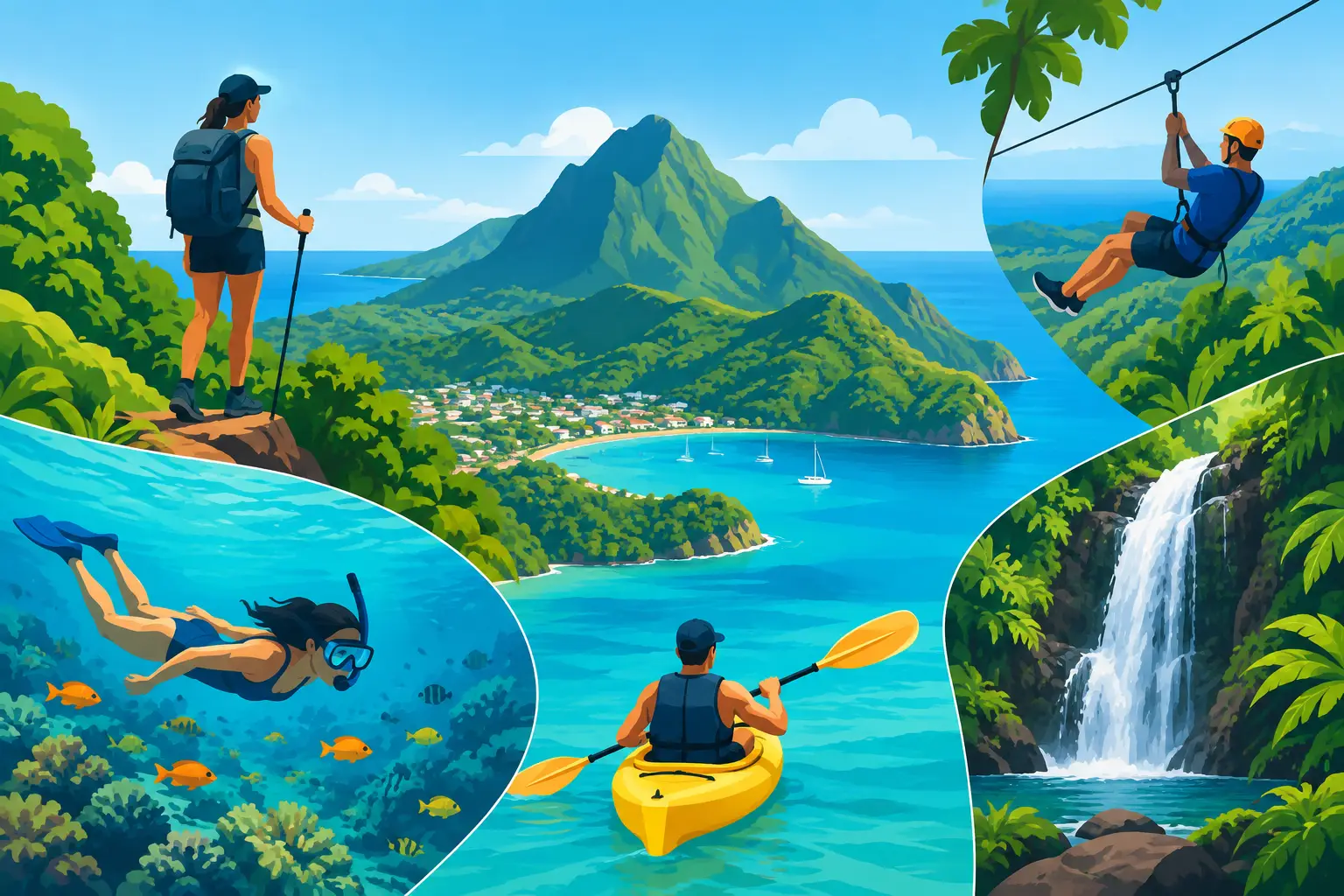
This is an island built for travelers who would rather earn the view. Whether you want a high-energy ride with friends, a rainforest hike, a cooling waterfall swim, or a quiet encounter with island wildlife, St. Vincent delivers big scenery with a proudly local spirit. Here are the experiences worth making room for on your itinerary.
1. Conquer the Coast on a Guided ATV Ride
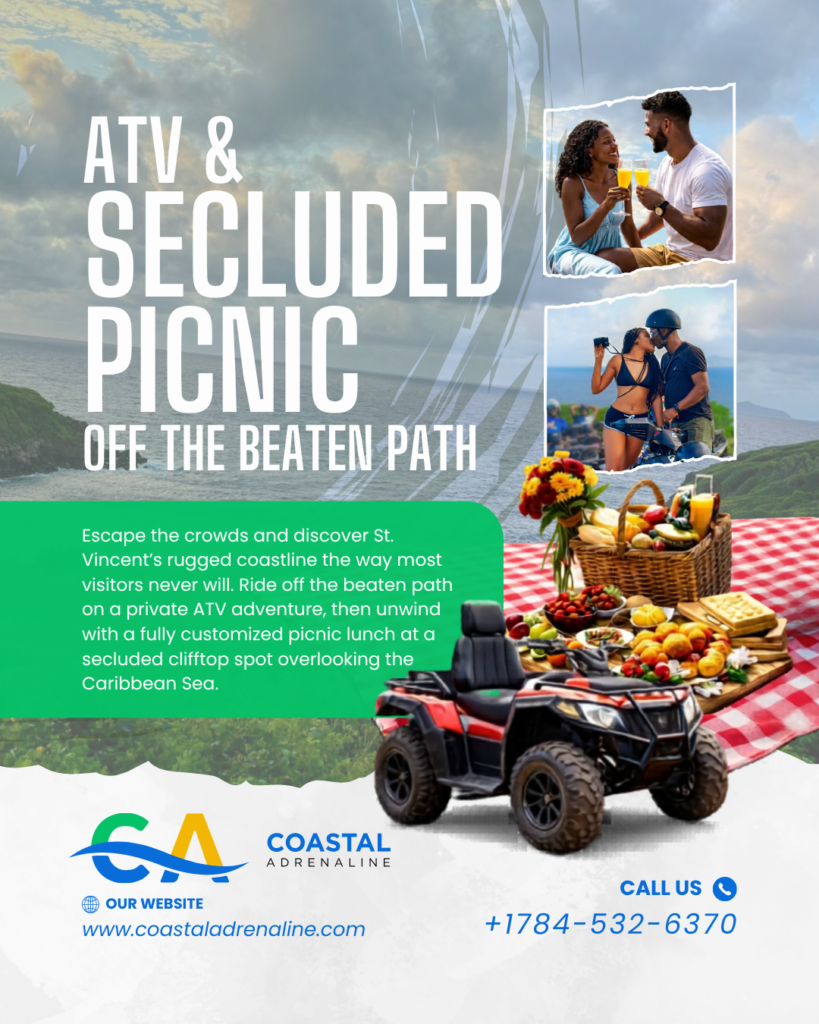
For a fast, scenic introduction to the island, a guided ATV ride belongs at the top of the list. St. Vincent’s terrain changes quickly: paved village lanes give way to rugged tracks, coastal roads open onto dramatic sea views, and black-sand beaches bring a raw volcanic edge to the journey.
A quality guided experience is especially valuable if it is your first time on an ATV. You get capable equipment, a safety briefing, route support, and a guide who knows where the best views, stories, and photo moments are hiding. Instead of worrying about navigation, you can focus on the ride.
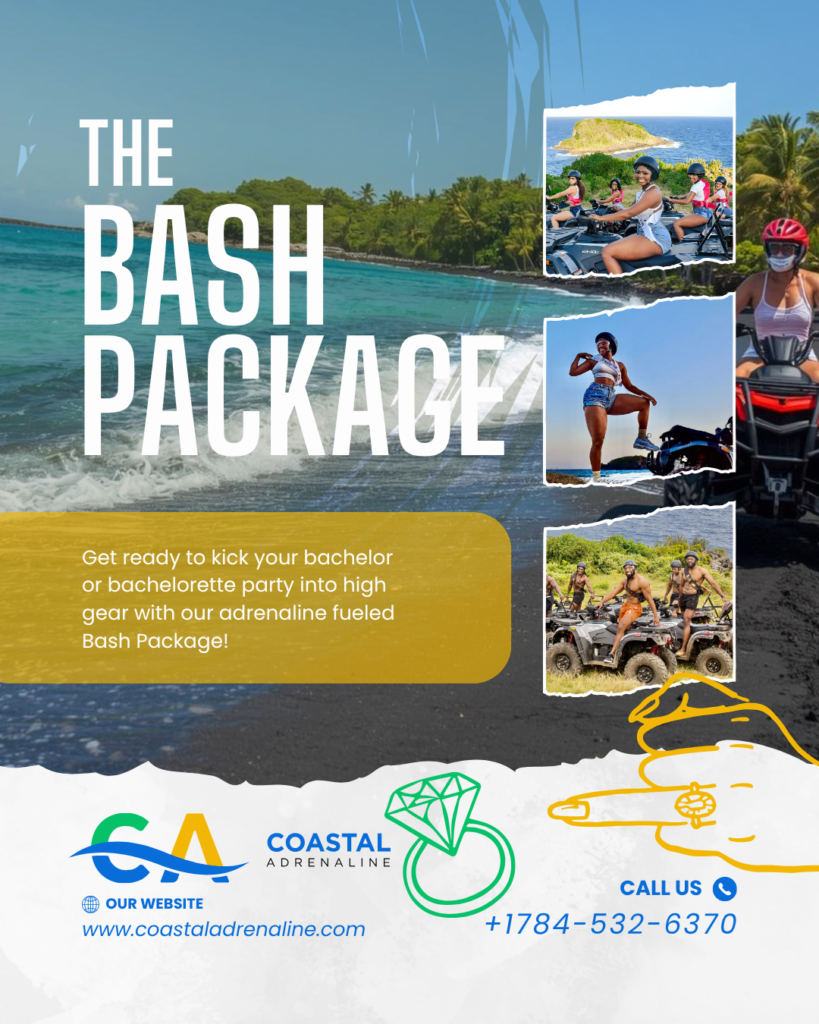
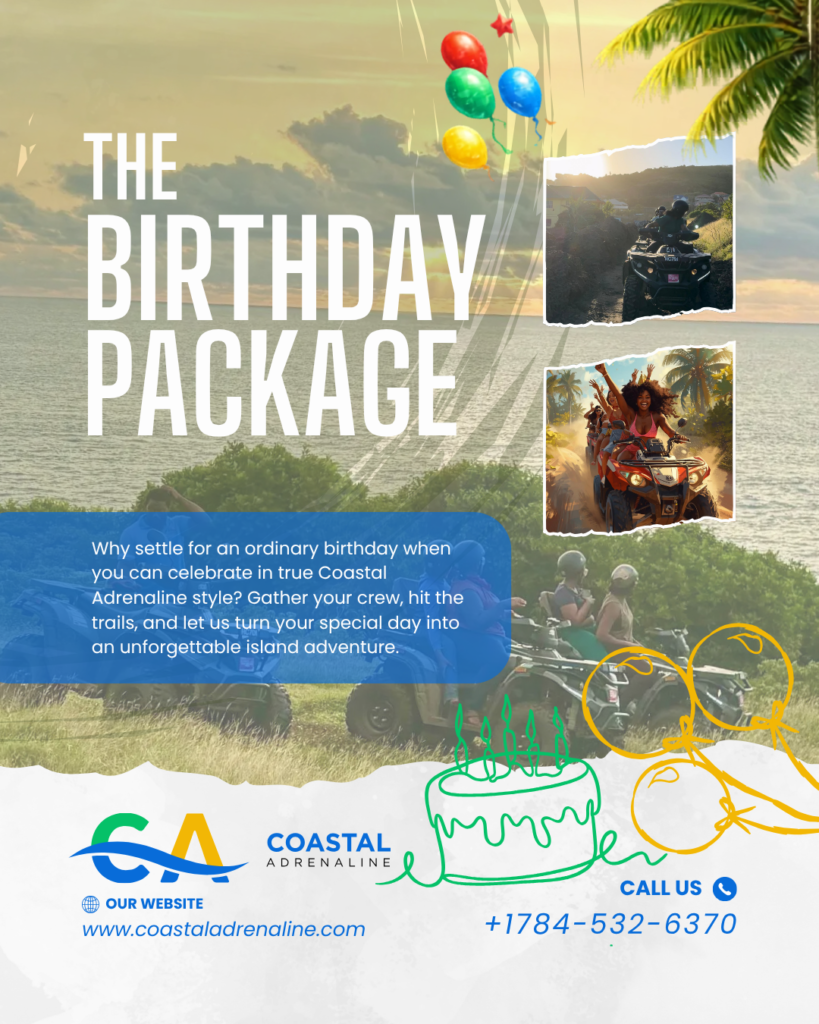
Coastal Adrenaline pairs high-performance ATV excitement with the places that give St. Vincent its character – historic plantation areas, riverside trails, bird habitats, villages, and coastal lookouts. Choose a sunrise ride for cool air and soft morning light, a Black Sand tour for shoreline drama, or a sunset experience when the Caribbean sky starts showing off. Private rides and celebration packages can make the experience even more personal for birthdays, friend groups, and bachelor or bachelorette getaways.
2. Hike La Soufriere for a Volcanic Challenge
La Soufriere is not a casual stroll. It is a serious, rewarding hike for travelers ready for steep terrain, changing weather, and one of the Caribbean’s most powerful landscapes. The volcano dominates the island’s north, and reaching its summit area brings you face-to-face with a crater shaped by fire, rain, and time.
The payoff is enormous, but conditions matter. Trails can be muddy, clouds can roll in quickly, and the hike demands sturdy footwear, water, snacks, and a reliable guide. It is best suited to active visitors who are comfortable spending several hours on the trail.
If a volcano hike is on your list, keep your day flexible. Weather and trail conditions should make the final call. When the mountain is clear, the views are unforgettable. When it is not, St. Vincent has plenty of lower-elevation adventures that still bring the island’s green heart close.
3. Chase Waterfalls Through the Island Interior
St. Vincent’s interior is lush for a reason. Rainfall feeds rivers, ravines, and waterfalls that feel worlds away from the coast. A waterfall stop is one of the best ways to trade tropical heat for cool freshwater and slow the pace between bigger adventures.
Dark View Falls on the island’s northwestern side is a favorite for its twin cascades and rainforest setting. The walk in is relatively approachable, making it a strong choice for couples, families with active older children, and travelers who want a memorable nature stop without committing to an all-day hike.
For more remote waterfall experiences, local knowledge matters. Some routes require rough-road access, river crossings, or careful footing after rain. Bring water-friendly shoes, a towel, and dry clothes for the ride back. More importantly, respect the site: take your photos, carry out what you bring in, and leave the river as clear as you found it.
4. Find Rare Birdlife in the Vermont Nature Area
Not every adventure needs an engine or a summit. In the forested mountains above Vermont, the island gets quieter, cooler, and alive with birdsong. This is one of the best places to look for the St. Vincent parrot, the island’s national bird, along with other native and migratory species.
The experience rewards patience. You may be walking under dense green canopy one moment and pausing the next to listen for movement overhead. Bring binoculars if you have them, though a knowledgeable local guide can often spot what untrained eyes miss.
This area is a great counterpoint to an ATV day or a beach afternoon. It also connects visitors to St. Vincent’s remarkable natural heritage, including one of the oldest forest reserves in the Western Hemisphere. The trails remind you that adventure is not always loud. Sometimes it is the call of a parrot somewhere high in the trees.
5. Snorkel or Dive the Volcanic Caribbean
Below the waterline, St. Vincent offers another kind of terrain. Volcanic slopes continue into the sea, creating reefs, walls, rock formations, and marine habitats that make snorkeling and diving a natural addition to a land-based adventure itinerary.
Calmer bays can work well for newer snorkelers, while certified divers can seek deeper sites and more varied underwater topography. Visibility, currents, and sea conditions change with the season and location, so choose an operator that matches the day to your comfort level rather than chasing a specific site at all costs.
If you are short on time, a morning water activity followed by a late-afternoon ATV ride makes for a full but balanced day. You get the Caribbean from two angles: blue water below and green hills above.
6. Feel the Power of a Black-Sand Beach
St. Vincent’s black-sand beaches are not just places to lay down a towel. Their dark, mineral-rich sand and dramatic coastline tell the island’s volcanic story at a glance. They also create some of the strongest photo moments on the island, especially when the sea is bright and the hills rise behind the shore.
Take time to do more than snap a picture. Walk the waterline, watch the changing texture of the waves against dark sand, and notice how different the coast feels from the pale beaches many travelers expect in the Caribbean. Some stretches can have stronger surf, so always read the water before swimming and follow local guidance.
A coastal ATV route is one of the most exciting ways to reach these scenes because the journey is part of the reward. The tires kick up the island’s earthy scent, the road bends toward the sea, and suddenly the coast opens wide in front of you.
7. Explore Village Life Beyond the Resort Map
The most memorable St. Vincent adventures often include people as much as landscapes. Village roads, roadside fruit stands, local cooking, historic sites, and everyday conversations offer a fuller picture of the island than any single viewpoint can provide.
Choose experiences that leave room for local storytelling. Learn why a place matters, ask about the crops growing along the road, and taste Creole breakfast if your tour includes it. Adventure does not have to mean rushing past the culture to reach the next stop. The best days combine movement, scenery, and genuine connection.
For groups celebrating something special, this is where a private outing shines. You can shape the pace around your people – more riding, more beach time, a sunrise start, a food stop, or extra space for photos. It depends on what kind of memory you want to take home.
How to Choose the Best Adventure Activities in St Vincent
Start with your energy level, not just your wish list. A La Soufriere hike and an intense ATV route on the same day may be perfect for experienced, fit travelers, but most visitors will enjoy each one more when they have time to recover between them. Pair a major physical activity with a relaxed beach stop, birding walk, or local food experience.
Also consider weather, transportation, and who is traveling with you. First-time ATV riders should choose guided routes with clear safety support. Waterfall trails need sensible shoes. Volcano hikes require preparation. If you are visiting with a group, book ahead so the experience can be organized around your timing and confidence level.
St. Vincent is at its best when you meet it with curiosity and a little courage. Bring shoes that can get muddy, clothes that can catch sea spray, and enough time to stop when the view demands it. The island will handle the rest.